For decades, we watched the Earth change.
We could see what had happened, not what would happen next.

DestinE runs the planet forward, and lets you act before it does.
See how a flood, a heatwave, or a policy plays out while there is still time to act.

Built in Europe.
Designed for global challenges.
The data was always there. Bringing it together wasn't.
A model is only as good as the data inside it. DestinE's data comes from three places, brought together in one portfolio that keeps growing.
DestinE's Digital Twins create what no archive ever held: simulations detailed enough to study a single region, not just a continent. They let you look forward, not just back.
Monitor and simulate how the Earth system develops
Test how a scenario or a policy plays out decades ahead
Work at a resolution where impacts are actually felt
Simulations you can question
DestinE's Digital Twins create what no archive ever held: simulations detailed enough to study a single region, not just a continent. They let you look forward, not just back.
Monitor and simulate how the Earth system develops
Test how a scenario or a policy plays out decades ahead
Work at a resolution where impacts are actually felt
Grounded in real Earth data
The Digital twins start from real observation: decades of Earth data DestinE reaches through one system, so you don't have to collect it yourself.
Copernicus data and services
Landsat
Eurostat
and much more
Sharper with every use
As people work on the platform, the data they generate can feed back in. The model keeps improving through use, not only through funding.
Reviewed before they enter the portfolio
Open to the whole community
Notebooks and results, tied to the service they came from
Who's behind Destination Earth initiative
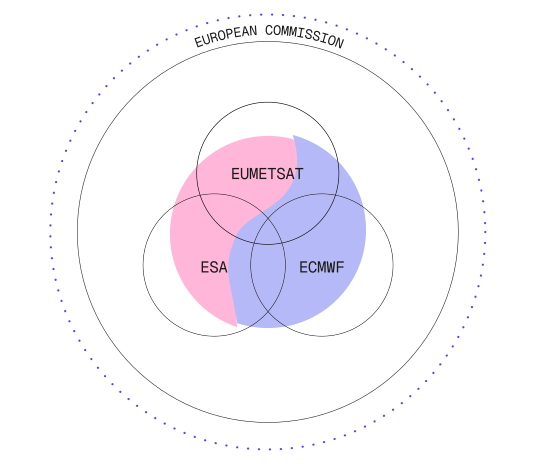

The Coordinator
Leads the initiative and aligns the work of Member States, the scientific community and the three implementing organisations behind one programme.

The Platform
ESA builds the DestinE Platform, the entry point to the whole system: decision-making tools, applications and services on an open, secure cloud.

Digital twins & Engine
ECMWF creates two digital twins for climate adaptation and weather extremes, plus the Digital Twin Engine that runs these virtual planet copies.

The Data Lake
EUMETSAT builds the Data Lake, a shared infrastructure combining data from ESA, EUMETSAT, Copernicus, and others with new twin data.
Toward a full Earth replica
The initiative's journey, from first agreements to a living digital model of the planet. Every milestone builds on the last.
2022
Launch. Official launch of the initiative. Contribution Agreements signed between the European Commission, ESA, ECMWF, and EUMETSAT.
2023
Development. Core component development begins across all three implementing entities.
2024
Operational Platform, Data Lake, and Digital Twin Engine enter operation. First digital twins demonstrated.
2026
Expansion. The service portfolio grows across climate, health, and biodiversity domains, opening new digital twins to users across Europe.
2030
A complete digital Earth. The full system reaches kilometre-scale resolution across the globe, a living digital replica open to all.
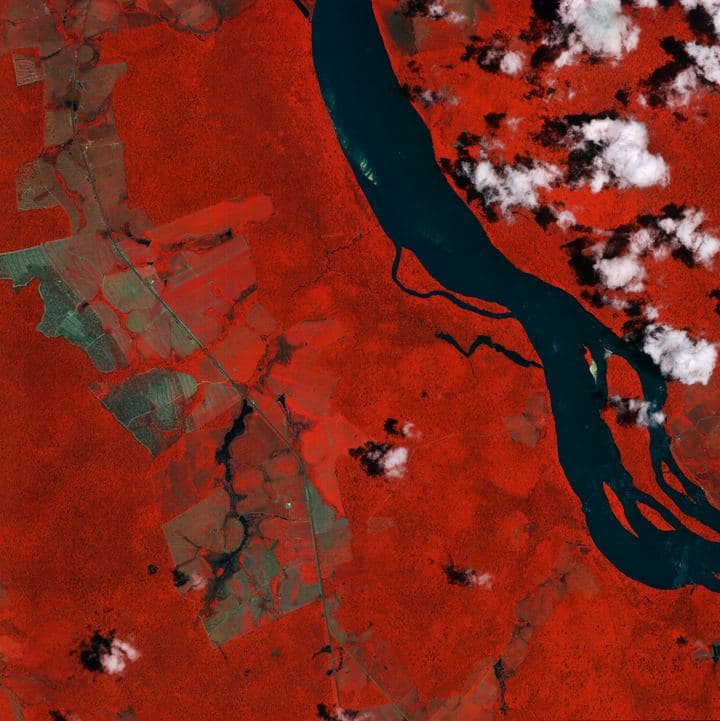
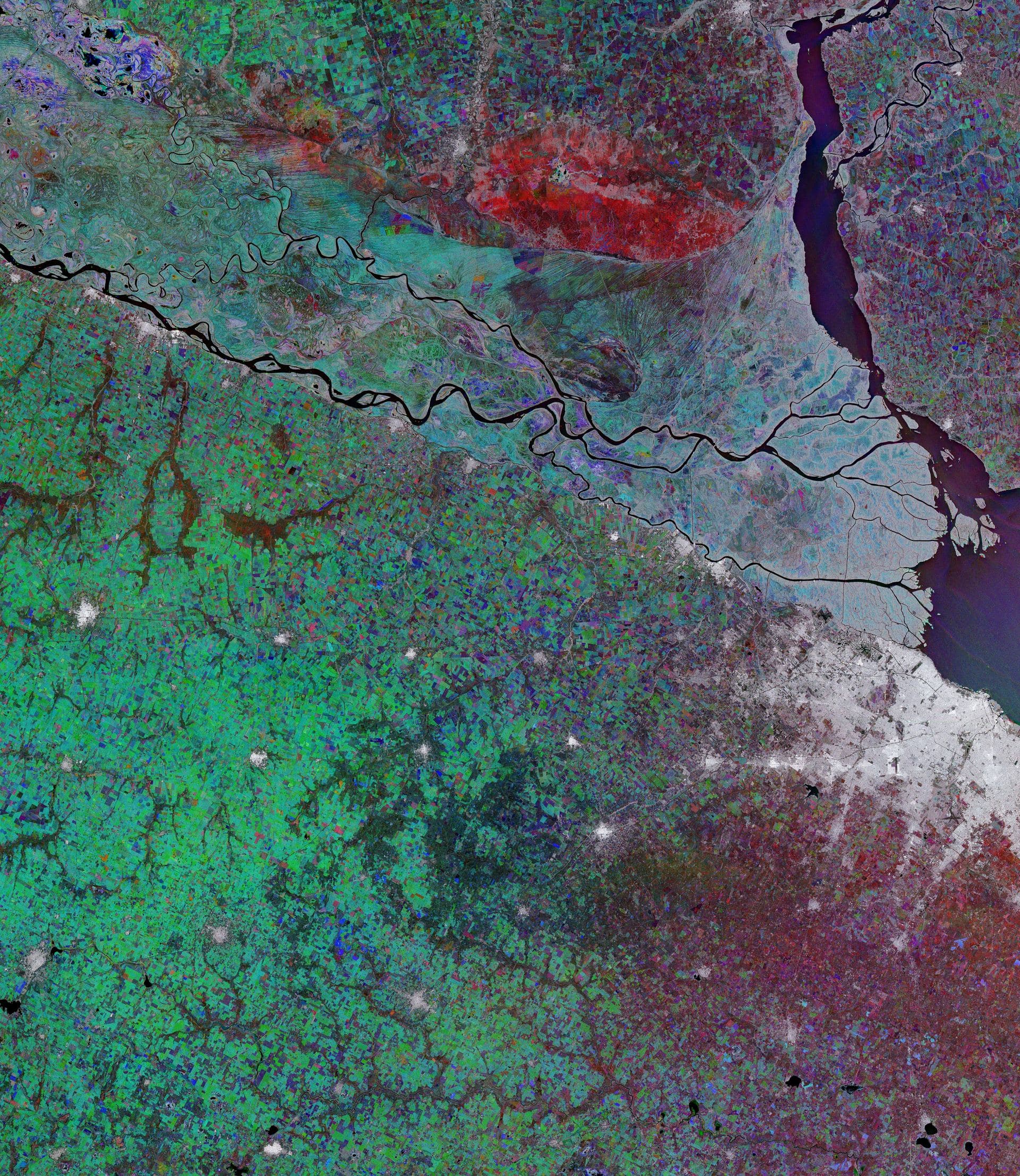
Credit: Contains modified Copernicus Sentinel data (2026), processed by ©ESA
Official assets to represent the initiative
Discover our visual materials, such as infographics, brochures, posters, presentations and banners that summarise the opportunities and advantages for policy & decision-makers, industry, researchers and technological providers.
Discover more assets